

SUNY Oswego Assistant VP for Intercollegiate Athletics on how she hopes to steer Oswego’s men’s and women’s athletic programs in the coming years
By Tom and Jerry Caraccioli
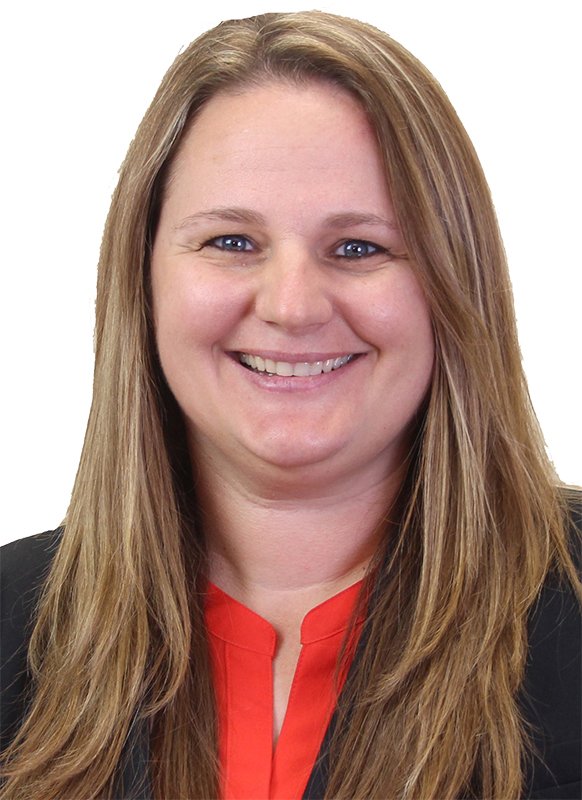 With 24 intercollegiate National Collegiate Athletic Association (NCAA) men’s and women’s sports, Oswego State Assistant Vice President for Intercollegiate Athletics Wendy McManus never sits in one place for very long. College Life caught up with her to sit and chat about SUNY Oswego Athletics, her career, student-athletes’ impact on campus and in the Oswego community, as well as where she hopes to steer Oswego’s men’s and women’s athletic programs in the coming years.
College Life: What is your background?
Wendy McManus: This is my fifth year at Oswego State. Prior to that, I was the athletic director at Elmhurst University, just outside of Chicago, for two years. Just prior to COVID, I decided I needed to get closer to home, which was Smiths Falls, Ontario. Before Elmhurst, I was the associate director for internal operations at Minot State in North Dakota, a Division II program. I oversaw business, facilities and a bunch of other areas reported up through my area.
CL: What did you study and where?
WM: I went to Chicago State, a small Division I institution. I studied psychology and finished my master’s online from Concordia University-Irvine (California) after starting it a Bemidji State in Minnesota. My master’s was in coaching and athletic administration. Currently, I’m completing my doctorate in global sports leadership at East Tennessee State University.
CL: You have a background coaching volleyball, tell us about that.
WM: I started out as a graduate assistant at Bemidji State. Following that, I went back to Ontario and became a volleyball clinician for the Ontario Volleyball Association. I traveled around teaching little kids and it was super fun. After that, I decided to come back to the U.S. and coached in New Mexico at the University of Southwest. I was there for two years before going to Texas A&M International, a Division II school in South Texas, where I spent almost five years.
CL: You’re not kidding when you say you’ve been in lots of parts of the U.S.
WM: I went to school in Illinois, went to Minnesota, back to Ontario and then New Mexico, to Texas, to Oklahoma, to Connecticut, at the University of New Haven, then North Dakota, back to Illinois, and now Oswego.
CL: Because you’ve been in many parts of the country, how does Oswego rate to those other parts of the country?
WM: Every place has its great things and not-so great things. The absolute best thing for me about Oswego is the location. It brings me so much closer to my parents. Campus-wise, I’ve been at a lot of places that talk about commitment to student success — inside and outside the classroom, athletically, sense of belonging — and talk-the-talk but don’t walk-the-walk. Oswego walks-the-walk.
CL: What are your goals for SUNY Oswego Athletics?
WM: When I arrived, my initial goal was to level up our women’s programs. We have work to do. We’ve had sustained success with our men’s programs. But our women’s sports haven’t quite achieved the level of consistent success like men’s hockey, basketball, baseball, wrestling and others. We are seeing that level of growth happening with the women in lacrosse, hockey, tennis, soccer and volleyball.
CL: What are some of your personal and professional aspirations?
WM: Personally, I’m looking forward to completing my doctorate. Professionally, we have work to do. Our facilities need some upgrades. We have a great hockey arena, great turf and a stadium, but we also need upgrades to Laker Hall. Our students spend a lot of time here and they should have a place they enjoy. The good news is these improvements are part of our campus’ strategic plan. This campus has a commitment to athletics.
CL: What are your priorities?
WM: I want us to be able to continue to support our students. I want us to continue to provide opportunities for them to also grow outside of athletics. Recently, we just completed a really successful ‘career-readiness’ seminar. We will always continue to serve our community and that’s why we’ve continued to be recognized for that within our conferences. Providing opportunities for our students to learn for post-athletic career building is an area where we can lead the way.
CL: Final thoughts?
WM: There are always things happening on campus. Our students are successful beyond just athletics. Academically, we are strong, better than a 3.0 combined GPA for more than 500 student-athletes. Our retention rate for our athletes last year was 84%. Our athletes are doing amazing things beyond their sports, and we want to continue to celebrate those stories.
Tom and Jerry Caraccioli are freelance writers originally from Oswego, who have co-authored three books: “Striking Silver: The Untold Story of America’s Forgotten Hockey Team,” BOYCOTT: Stolen Dreams of the 1980 Moscow Olympic Games” and “Ice Breakers: A Kid’s Guide to Hockey and the Greatest Players Who Changed the Game.” They also host a monthly television and multi-platform segment on WSYR-Channel 9 (ABC) on its “Bridge Street” show called “Backroads to Bridge Street with Tom & Jerry.”